View the Webinar Here: https://ncsu.hosted.panopto.com/Panopto/Pages/Viewer.aspx?id=61ee9fe0-5bcd-4d1b-84f3-b4c00121a08f
Livestock producers looking to strengthen their farm's disease defenses got some refreshingly down-to-earth advice from Dr. Rosemary Sifford. Dr. Sifford is a former USDA Chief Veterinary Officer and spoke to NC Dairy Extension during the biosecurity webinar series. Her core message: biosecurity isn't about buying a specific tool or following someone else's checklist to the letter, it's about building simple, consistent habits that fit your operation.
Why it matters beyond animal health.A biosecurity plan is a risk-management tool for your business. In a foreign animal disease event (foot-and-mouth, African swine fever, high-path avian influenza), even unaffected farms can face movement restrictions. Having a documented plan already in place helps you get permitted to move animals faster. One key clarification: continuity of business doesn't mean business as usual. It’s to be expected for some testing or added paperwork even with a great plan, just far less delay.
Three pillars to organize around:
- Prevent introduction: control farm access, source animals carefully, limit unnecessary contact with outside animals/people/equipment.
- Control spread within your operation: separate groups (especially animals returning from shows), monitor closely, and react fast to illness.
- Contain to protect others: clean and disinfect equipment before it leaves your farm, not just before it arrives.
Dr. Sifford noted that since her family shows livestock and travels heavily, strict "minimize contact" isn't realistic for her. Therefore she leans on pillar two - separating and monitoring animals after shows.
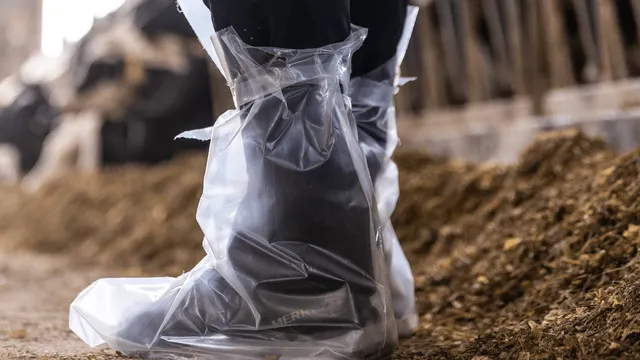
How disease actually spreads. People and equipment are often the real carriers. Contaminated boots, tires, and shared gear can move disease between farms without a sick animal ever showing up. Small steps such as cleaning shared equipment and asking visitors to change shoes go a long way.
What it costs. Beyond treatment, disease introduction can mean lost productivity, market access restrictions, mandatory testing, and animal welfare impacts from delayed movement. Even the current New World screwworm situation in South Texas is disrupting unaffected producers through inspections and movement limits.
Keep it simple, write it down. A complicated plan nobody follows is worse than a simple one that's a habit. Small fixes help. Dr. Sifford's example: stashing baggies of gloves in the barn, truck, and tractor made glove use automatic. Other tips: write your plan down (no required format), train staff informally (some vets do quick "tailgate talks"), and keep a basic 30-day visitor/movement log to speed up trace-backs if needed.
Secure Milk Supply plan? Treat it as an aspirational, high-level plan — not something to fully implement overnight. Start with what you can do now and build from there. USDA APHIS Veterinary Services and state vets can help write or review a plan, and grant funding may be available.
Biggest barriers: feeling overwhelmed, and keeping plans updated. Her fix is the same for both - start small, build gradually. She also noted: keep plans electronic and shareable, lean on commodity groups' pre-drafted crisis communications rather than improvising, and expect family and vets (not strangers) to be the hardest groups to get on board. A direct, friendly conversation usually solves it and can help keep everyone on the same page.
Bottom line: Start small, write it down, build consistency, and revisit the plan regularly.
